Your cart
There are no more items in your cart
.jpg)
First Home Furniture Checklist: Room-by-Room Guide
-
Categories :
Bedroom
, Dining Room
, Living Room
















.
.

.

.
.
.
Everything you need, and how to make it work harder. A practical guide to furnishing your first home with intention.
Moving into your first home is one of the most exciting things you will ever do. It is also, if you are not careful, one of the most expensive.
The temptation to fill every room immediately - to have a home that looks finished from day one - is completely understandable. But the homes that look most considered are rarely the ones that were furnished all at once.
The real skill in furnishing a first home is knowing which pieces to prioritise, how to make them work as hard as possible, and how to build a space that feels complete even when it is still evolving. Less, done well, always beats more, done quickly.
Here is a room-by-room guide to the pieces worth prioritising, along with two Cielo options for each category to suit different aesthetics and budgets.
The single most important thing you can do before spending anything is to spend time thinking. A few questions that save significant money and regret:
● What is the natural flow of the room? Where do people naturally move and sit?
● What is the dominant light source and when does it hit the space?
● What colours are already fixed (walls, floors, ceilings) and what palette do they suggest?
● Which pieces will you keep long-term, and which are for now?
● What storage do you actually need vs what you think you need?
● Is the room a single-function space, or does it need to serve multiple purposes?
● What is your honest budget, and have you left room for the pieces you haven't thought of yet?
The living room is the room most first-time homeowners rush, and it’s the one that benefits most from patience. Start with the couch. Everything else can follow.
The couch defines the living room. It sets the scale, establishes the colour palette, and determines how the rest of the room is arranged. Choose it first and choose it carefully, because it’s the piece you will live with longest.
For a first home, fabric is generally the safer bet. It is warmer, more forgiving, and available in a wider range of tones that work across different wall colours and lighting conditions.
Size is the most common mistake first-time buyers make. A couch that is too large dominates the room and makes it feel cluttered; one that is too small looks lost. Measure the room, mark the footprint on the floor with tape, and live with it for a day before committing
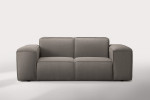
Featured Product: Jagger 2-Seater Couch - Avalon Grey
A compact, structured 2-seater in premium Avalon Grey fabric. Clean squared lines and a contemporary silhouette — ideal for apartments or smaller living rooms where scale matters.
Featured Product: Harbor 3-Seater Couch - Driftstone
A generously sized 3-seater in warm Driftstone upholstery with slender curved arms. Laid-back, sophisticated, and built for the long evening.
A coffee table does more than hold remotes and coffee. It anchors the seating arrangement, introduces a second material into the room, and gives the space a sense of purpose.
For first homes, choose a table that is proportional to your couch. Roughly two-thirds of the couch's length is the standard guide. Round and oval tables work well in smaller spaces because they eliminate sharp corners and allow easier movement around them.
Featured Product: Auden Coffee Table
Crafted from solid teak wood with a distinctive asymmetrical silhouette. The Auden brings organic warmth and genuine material character to any living room.
Featured Product: Arcadia Coffee Table
A contemporary blend of wood and textured metal with smooth lines and a natural-toned finish. The Arcadia anchors a living room beautifully and pairs well with both fabric and leather couches.
The TV stand is one of those pieces that is easy to underspend on and easy to regret. It sits in the direct sightline of anyone in the room and carries a significant amount of visual weight.
Prioritise one with adequate storage. Not just for the TV, but for the cables, remotes, and hardware that accumulate quickly. A stand that houses everything neatly makes the room feel more considered.
Featured Product: Brooklyn TV Stand - Large
A solid, contemporary TV unit with a fresh industrial feel. Strong, practical, and characterful - the Brooklyn brings real presence to the living room wall.
Featured Product: McKenna TV Stand - Medium
A beautiful combination of wood and textured metal with spacious cabinet shelving and sleek black handles. The McKenna keeps everything organised without sacrificing style.
Side tables are one of the most underrated furniture investments in a first home. They are versatile, relatively affordable, and do a disproportionate amount of work in terms of making a room feel layered and complete.
Use them beside the couch as a surface for a lamp, a drink, or a book. Use them as a small accent table in an empty corner. Or use two at different heights to add visual interest to a bare wall.
The best side tables earn their place in multiple rooms as the home evolves.
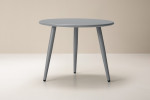
Featured Product: Aspen Side Table - Dove Grey
Minimalist mild steel in a contemporary dove grey finish. Clean, modern, and versatile enough to work indoors or on a covered patio - a side table that goes where it is needed.
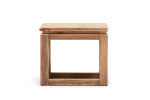
Featured Product: Maximus Side Table
A characterful accent side table with a distinctive design. The Maximus adds visual interest and practical surface space wherever it is placed.
The dining room is often the most underfurnished room in a first home, which is a missed opportunity. A well-chosen dining set turns a functional eating space into one of the most social rooms in the house.
For most first homes, a 4-seater set is the right starting point. It seats the household comfortably, accommodates two guests without crowding the room, and leaves space for the space to breathe.
Choose a table and chair combination that works with the scale of the room and with the aesthetic you are building toward.
A round table makes a small dining room feel more generous and encourages easier conversation. A square or rectangular table works better in longer, narrower spaces.
Material matters here too. Timber tables age beautifully and warm up over time. Metal bases bring an industrial edge that works well in contemporary interiors. Mixed-material sets give you the warmth of wood with the visual lightness of a slimmer frame.
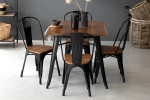
Featured Product: Odell Metal 4-Seater Dining Set - Matt Black
A clean-lined, contemporary dining set in matte black metal. Compact, practical, and visually strong - the Odell earns its place in any first home dining room.
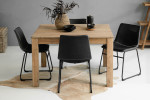
Featured Product: Montreal Halo Square 4-Seater Dining Set 1.2m - Ebony
A square dining set in a rich ebony finish - compact in footprint and bold in presence. The Montreal Halo is a smart choice for first homes where the dining room doubles as a workspace or social hub.
The bedroom is the room most people spend the least time decorating in a first home, which is a mistake. You spend roughly a third of your life in it. It deserves the same intention as the living room.
Start with the bed. It is the room's anchor piece, and everything else follows from it.
A good bed does two things: it supports proper sleep, and it gives the bedroom a focal point. Both matter equally.
For a first home, a complete bed (headoard and base together) is the most practical investment. A bare base against a plain wall makes even a well-dressed room feel unfinished.
A headboard, even a simple one, immediately gives the bedroom a sense of intention.
If budget is tight, prioritise the mattress over the bed frame. You can dress a simple base with good bedding and a throw; a poor mattress cannot be styled away.
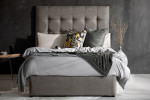
Featured Product: Ariella Bed - Double - Alaska Grey
An elegant upholstered bed with a generously proportioned headboard featuring stylish grid tufting and plush padding. The Ariella in Alaska Grey brings a touch of quiet luxury to a contemporary bedroom.
Featured Product: Ashford Bed - Double
Crafted from solid acacia with a wire-brushed finish and powder-coated steel detailing. Clean, contemporary, and versatile - the Ashford pairs with any headboard or stands confidently alone.
A bedside table is one of those purchases that first-time homeowners often leave until last and then wonder how they managed without one. It holds your lamp, your phone, your book, and whatever else makes the end of the day feel civilised.
More than that, two matching bedside tables on either side of the bed instantly give the bedroom a finished, considered quality that nothing else achieves as efficiently.
Look for one with at least one drawer. Bedside clutter accumulates faster than anywhere else in the home. An open shelf is a bonus for a lamp or a small plant, but closed storage is the priority.
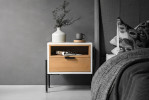
Featured Product: Soluna Bedside Table - White
A calm, contemporary bedside table with a warm fir wood drawer, an open lower shelf, and slim mild steel legs. Minimal yet characterful - and its clean white finish works with almost any bedroom palette.
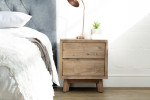
Featured Product: Peyton Pedestal
Crafted from solid acacia wood with a wire-brushed finish and two smooth-glide drawers. Clean, elemental, and versatile enough to work alongside almost any bed - the Peyton lets the natural beauty of the wood do the talking.
The difference between a room that looks finished and one that looks half-done is rarely about the number of pieces. It is almost always about placement, proportion, and the small decisions that cost very little.
A rug defines a zone within a larger space and makes a floating arrangement feel intentional. In the living room, the front legs of every piece of seating should sit on the rug.
In the bedroom, the rug should extend at least 60cm beyond each side of the bed. Get the rug size right and the room immediately looks considered.
Rooms that feel flat are almost always lacking in height variation. Mix tall and low elements like a floor lamp beside a low couch, a tall plant in an empty corner, and stacked books beneath a low coffee table. The eye should move up and down as well as across.
Overhead lighting alone makes a room feel functional, not liveable. Add floor lamps and table lamps to create pools of light at different levels. Warm bulbs (around 2700K) make a room feel immediately more inviting and are one of the cheapest ways to change the mood of a space entirely.
When a room feels off, the instinct is to add something. More often, the room needs something removed. Before you buy another piece, take one thing out and live with the room for a week. You will often find it was more complete than you thought.
Wall art is one of the most tempting early purchases in a first home and one of the most regretted. Wait until the room is furnished and you understand exactly what the walls need before committing to anything permanent.
A single, well-chosen piece at the right scale does more than a crowded arrangement of smaller ones.
Furnishing a first home is not just a project to complete, it is a process to enjoy.
The homes that feel most considered are built slowly, with each piece chosen deliberately and placed with intention. There is no finish line; only rooms that keep getting better.
Start with the pieces that matter most, style what you have to its full potential, and let the rest follow in time. The result will always be better than anything you could buy all at once.
Explore Cielo’s vast selection for everything you need to get your first home furnished and looking fabulous.
Related products
Jagger 2-Seater Couch - Avalon Grey
Peyton Pedestal
Soluna Bedside Table - White
Montreal Halo Square 4-Seater Dining Set 1.2m - Ebony
Odell Metal 4-Seater Dining Set - Matt Black
Maximus Side Table
Aspen Side Table - Dove Grey
McKenna TV Stand - Medium
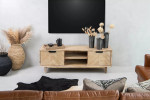
Arcadia Coffee Table
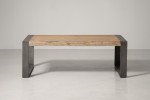
Auden Coffee Table
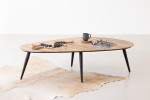
Ashford Bed - Double
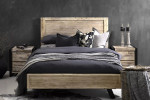
Ariella Bed - Double - Alaska Grey