Open-Plan Living: Zone Your Space with Furniture

- Categories : Bedroom , Decor , Dining Room , Living Room

The open-plan home is one of the most enduring ideas in contemporary interior design, and one of the most frequently misunderstood.

The promise is compelling: space that flows, light that moves freely, rooms that feel connected. The challenge, for many homeowners, is what to do with all of it.

Without walls to define where one area ends and another begins, open-plan spaces can quickly feel either cluttered or shapeless. The secret to getting them right lies not in adding more, but in placing better.

Furniture chosen with an eye for scale and proportion and positioned with intention is the most powerful zoning tool available to any homeowner. Here is a zone-by-zone approach to making it work.

Why Furniture Is the Best Zoning Tool

Walls are fixed. Furniture is not.

Zones can be adjusted, reconfigured, or entirely rethought as your needs change.

Unlike physical dividers, well-placed furniture speaks the same visual language as the rest of the room.

Remember that division creates barriers, whereas definition creates destinations.

The most successful open-plan interiors are built around three or four distinct zones, each with its own anchor piece, its own purpose, and its own relationship to the rest of the space.

Four Principles of Furniture Zoning

1. Every zone needs an anchor

An anchor is the dominant piece that establishes the zone: the couch in the living area, the dining table in the dining zone, the bed in the sleeping area.

Everything else in the zone relates to it. Choose your anchor pieces first and work outward from there.

2. Scale is everything

An undersized couch in a large open-plan space will always look lost. An oversized dining table will always feel crowded.

Measure your floor plan before you buy anything, and give each zone the proportional weight it needs to feel intentional rather than accidental.

3. Rugs define edges

A rug is the most efficient zoning tool in any open-plan room. It draws a visual boundary around a seating or dining arrangement without introducing any physical barrier.

In spaces where two zones share a continuous floor, rugs are often the only thing that separates them clearly.

4. Repetition creates cohesion

Open-plan spaces look most considered when design elements repeat across zones - a timber finish that appears in the coffee table and the dining table, a colour tone that carries from the couch cushions to a throw.

Repetition is not uniformity; it is the thread that makes a space feel designed rather than assembled.


The Living Zone: Where It All Begins

In most open-plan homes, the living area is the first zone you see, and the one that sets the tone for everything else. Its anchor piece, the couch, defines the scale and personality of the entire space.

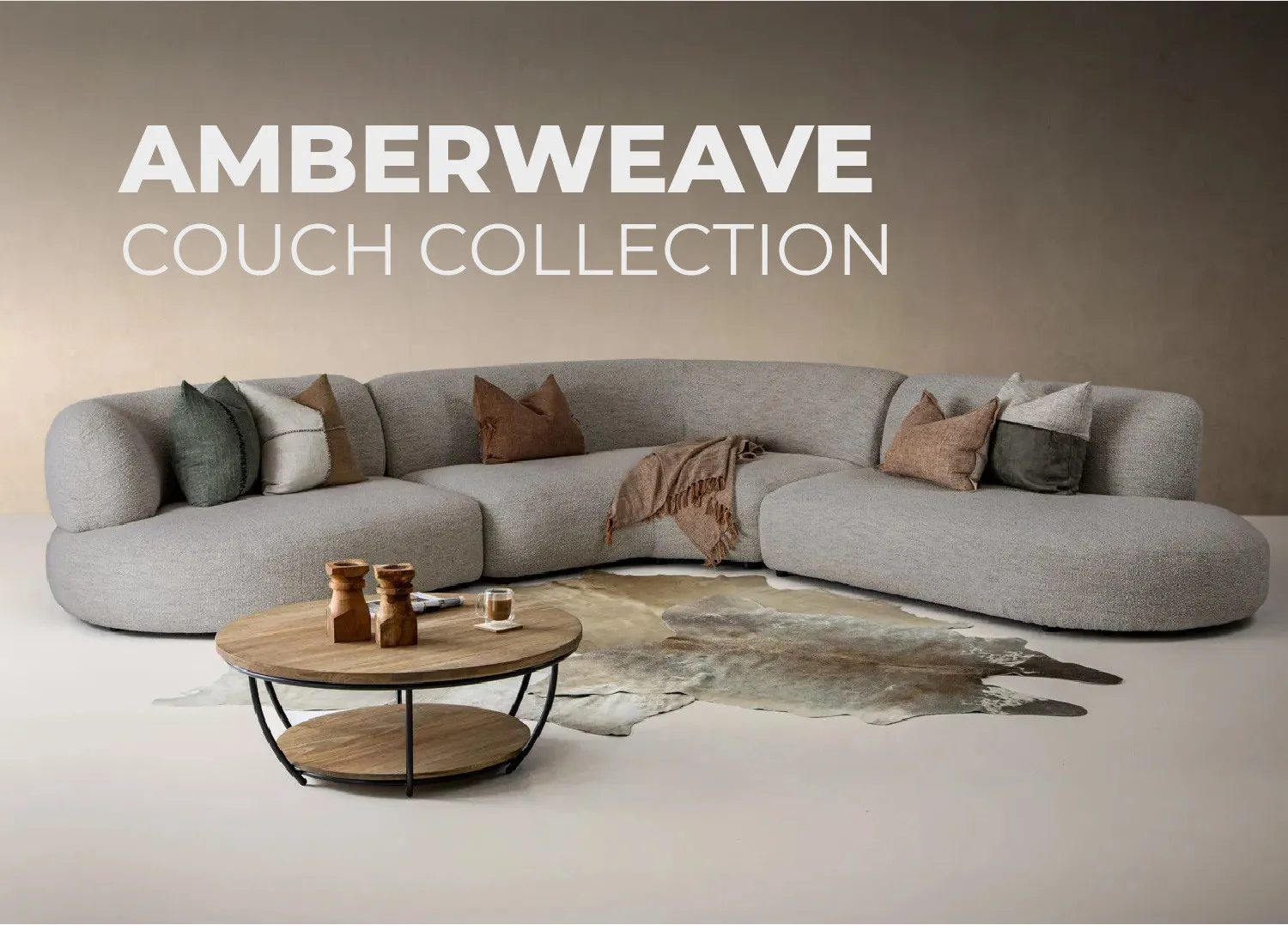
For large, open-plan rooms, a modular or grand corner configuration works best. It fills the space proportionally, creates a clear sense of enclosure within an otherwise open floor, and signals to anyone entering the room that this is a distinct destination.

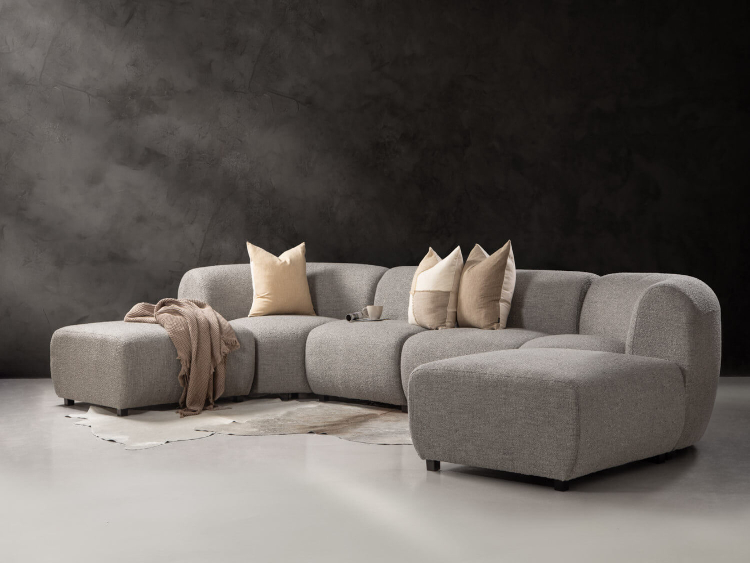
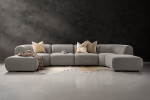
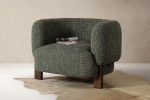
The Wentworth Grand Modular Couch Set in Ash Drift is one of Cielo's most compelling living room anchors. Upholstered in richly textured bouclé with sweeping low-profile curves and a grand modular configuration, it brings sculptural presence and deep, generous comfort to any open-plan lounge.

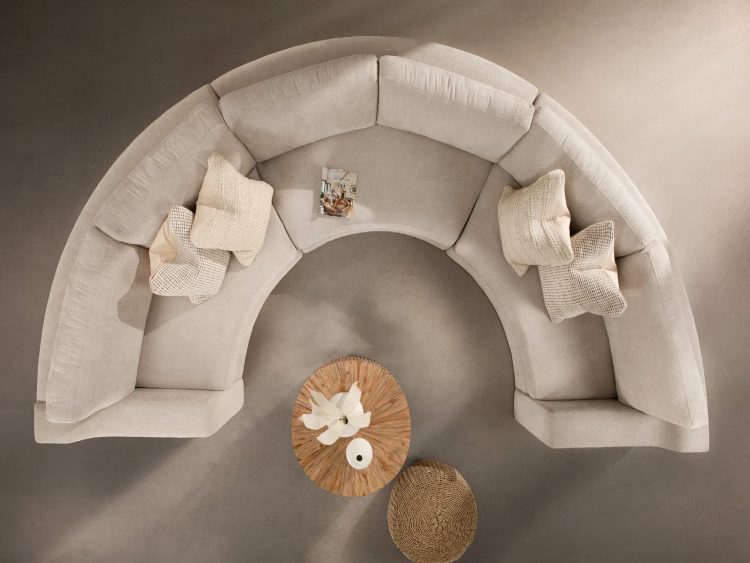
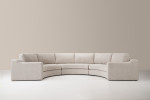
For homeowners who prefer a more organic, flowing aesthetic, the curved C-shape configuration takes zoning a step further. Its shape physically wraps around the living zone, creating an enclosure that is both visual and spatial.

The Embergrain Modular Grand C-Shape Couch in Hazey Veil does exactly this. A grand curved form in premium fabric, it fills larger living spaces with irresistible flair. Crucially, its sweeping silhouette draws the clearest possible edge around the zone it inhabits.

The Dining Zone: Creating a Room Within a Room

In an open-plan space, the dining zone has a specific challenge: it needs to feel distinct enough to be a destination, but connected enough to be part of the broader floor.

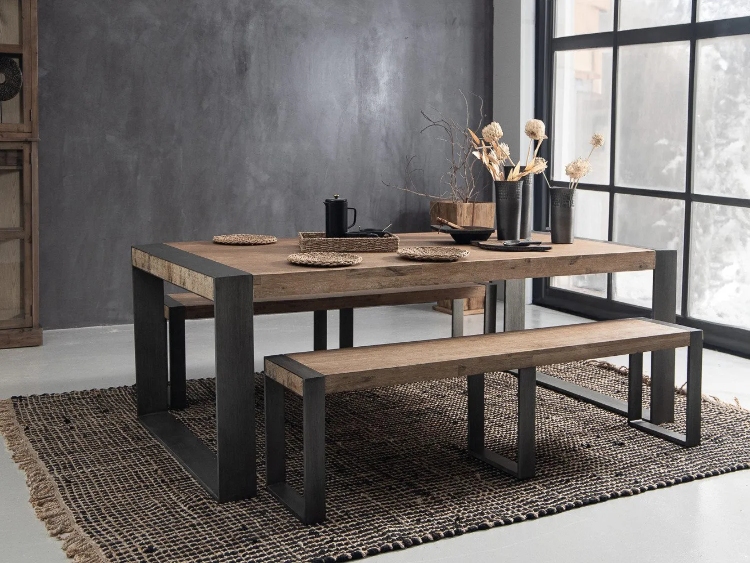
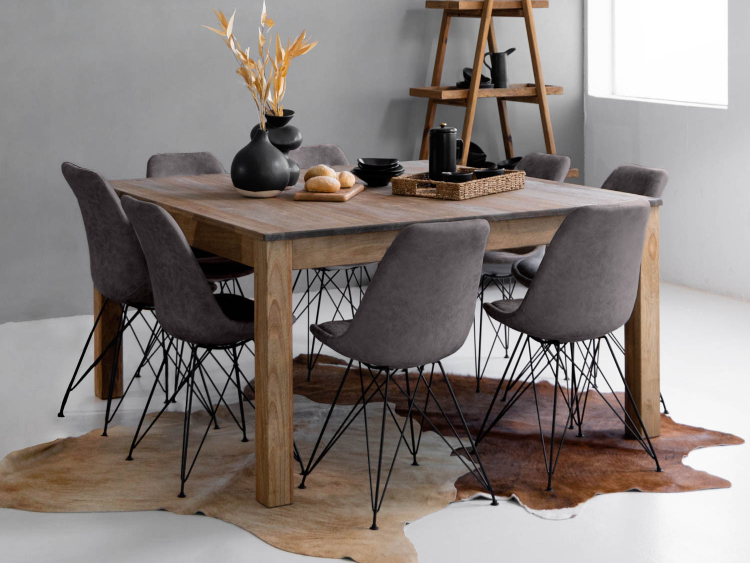
The dining table is doing more work here than in a dedicated dining room. Scale is the most critical consideration, where an 8-seater table in a large open-plan space creates a generous, grounded zone with real visual presence.

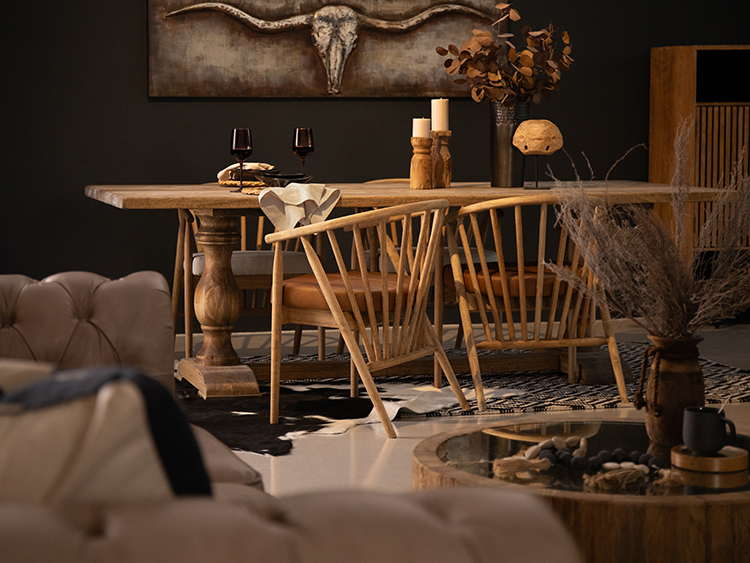
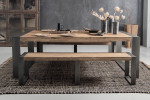
The Arcadia 8-Seater Dining Set is built for exactly this. Crafted from solid teak with beautifully detailed chairs, it brings natural warmth and material character to a dining zone that needs presence as much as practicality. The warmth of the timber also creates a natural material contrast with softer living zone upholstery nearby.

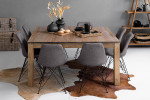
The Montreal Square Enzo 8-Seater Dining Set takes a different approach. Its bold square configuration sits in deliberate contrast to a softer living area and makes the dining zone feel like a distinct design statement within the broader open plan.

Lighting as a zoning tool

Not every dining zone benefits from a rug, particularly in homes where the table is close to a kitchen or in a high-traffic area.

In these cases, lighting does the work instead. A pendant or cluster of pendants directly above the dining table creates the same sense of enclosure as a rug, drawing a visual boundary around the zone from above rather than below.

The Sleeping Zone: When the Bedroom Is Part of the Plan

In loft apartments, studio spaces, and some architecturally open homes, the sleeping area exists within or adjacent to the main living floor.

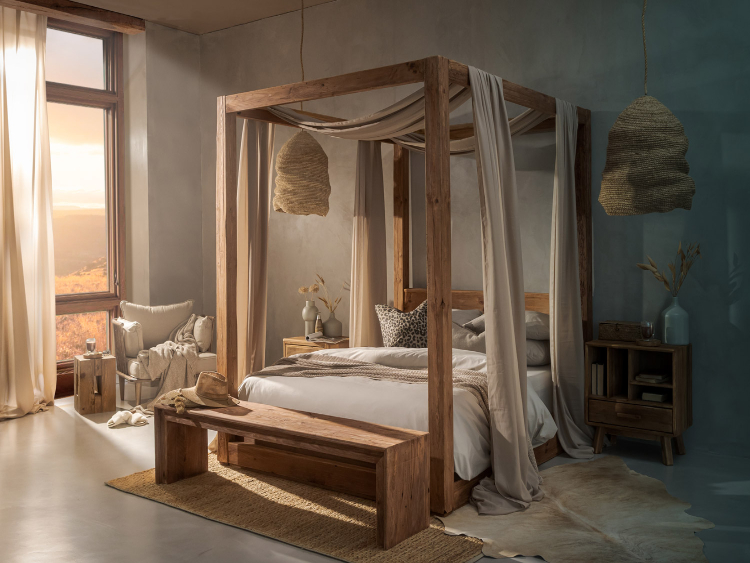
When this is the case, the bed becomes a zoning piece as much as a functional one. A bed with architectural presence, such as a four-poster frame, a statement headboard, or a distinctive material, creates a natural boundary between the sleeping zone and the rest of the space.

Featured Product: Asgard 4 Poster Bed - Queen

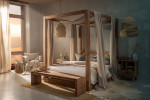
The Asgard Four-Poster Bed is one of the most effective zoning beds in the Cielo range. Crafted from reclaimed pine with a natural finish, its classic four-post design brings genuine vertical presence to any sleeping zone. The post height draws the eye upward and creates a sense of enclosure that no flat-frame bed can match.

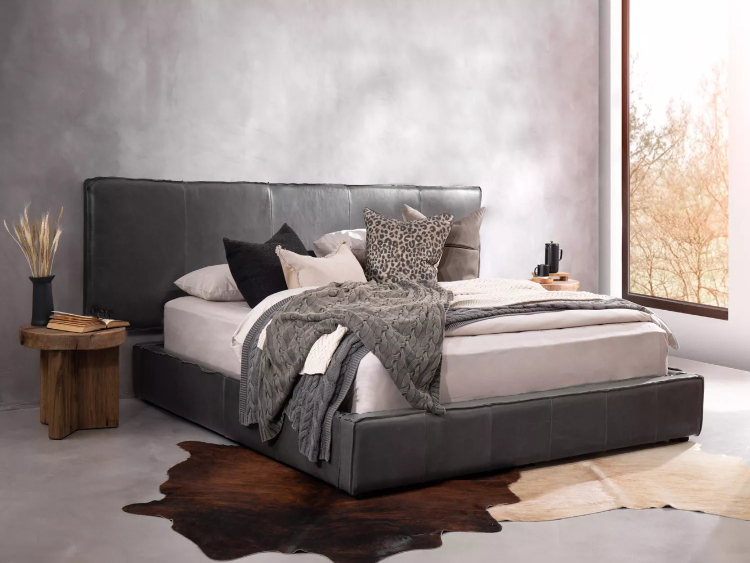
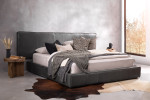
For a more grounded, contemporary approach, the Matlock Kendrix Leather Bed creates zone separation through material contrast. The richness of full-grain leather in a deep, dramatic tone contrasts against the softer textures of any nearby living area. 

Five Practical Zoning Tips

Float your furniture:

In open-plan spaces, furniture does not need to be pushed against walls. Floating a couch into the room creates a more defined zone and often makes the space feel larger, not smaller.

Use the back of the couch as a divider:

A couch positioned with its back to the dining area is one of the most natural zone dividers in any open-plan home. A soft visual boundary between two areas without any physical barrier.

Match zone heights intentionally:

Low-profile living furniture beside a taller dining set can create an unintentional visual hierarchy. Consider the relative heights of anchor pieces across zones and adjust where needed.

Let negative space do work:

Not every square metre needs furniture. Leaving deliberate gaps between zones creates breathing room that makes each zone feel more defined, not less.

Coordinate without matching:

The most successful open-plan interiors repeat materials and tones across zones without using identical pieces. For example, a teak dining table and a teak coffee table in a different style can create subtle harmony in a space.

The Best Open-Plan Spaces Are Designed, Not Decorated

The difference between an open-plan home that works and one that doesn't is rarely about the size of the space or the quality of the individual pieces.

It is about intention: the deliberate use of furniture, placement, and proportion to create zones that feel purposeful.

Start with the anchors. Place with intention. Let the rugs draw the edges. And give each zone the space it needs to feel like a destination.

Browse Cielo’s extensive collection for every essential piece for open-plan living.